What Makes an Inbound Call Qualified?

Every buyer wants qualified calls. Very few define what that means before a campaign starts, and that gap is where most disputes between buyers and publishers begin.
A ringing phone is not a qualified call. Qualification is a set of specifics agreed in advance, and the tighter those specifics, the less room there is for disagreement later.
Qualification is defined per campaign, not universally
There is no single industry definition. What counts as qualified for a roofing campaign in Texas looks nothing like what counts for a Medicare campaign during enrolment. The vertical, the geography and the individual campaign all move the line.
This is why campaign requirements vary, and why they should be read carefully rather than assumed from a previous campaign.
The specifics that usually matter
- Geography, defined at the level your business actually serves rather than a whole state
- Whether the caller is the decision maker for the purchase in question
- Whether the caller falls inside the eligibility criteria for the product
- Call duration, which is the most common proxy for genuine engagement
- The hours the call arrives in, relative to when you can answer
Duration deserves particular attention. Most campaigns set a minimum billable length because a call that ends in fifteen seconds rarely represents a real conversation. Agreeing that threshold up front prevents most billing disputes.
Most disagreements between buyers and publishers are not about honesty. They are about a definition nobody wrote down.
What buyers should specify before launch
Write down your service area at ZIP or region level, the eligibility criteria a caller must meet, your answering hours, and the minimum call duration you will pay for. Then confirm those are achievable within the campaign you are joining.
A publisher cannot deliver against criteria they have not been given, and a buyer cannot fairly reject calls against criteria that were never agreed.
What buyers control after launch
Answer rate is the single biggest factor within your own control. A campaign delivering well-qualified calls into an unanswered phone will look like a bad campaign in your reporting, when the problem sits on your side of the line.
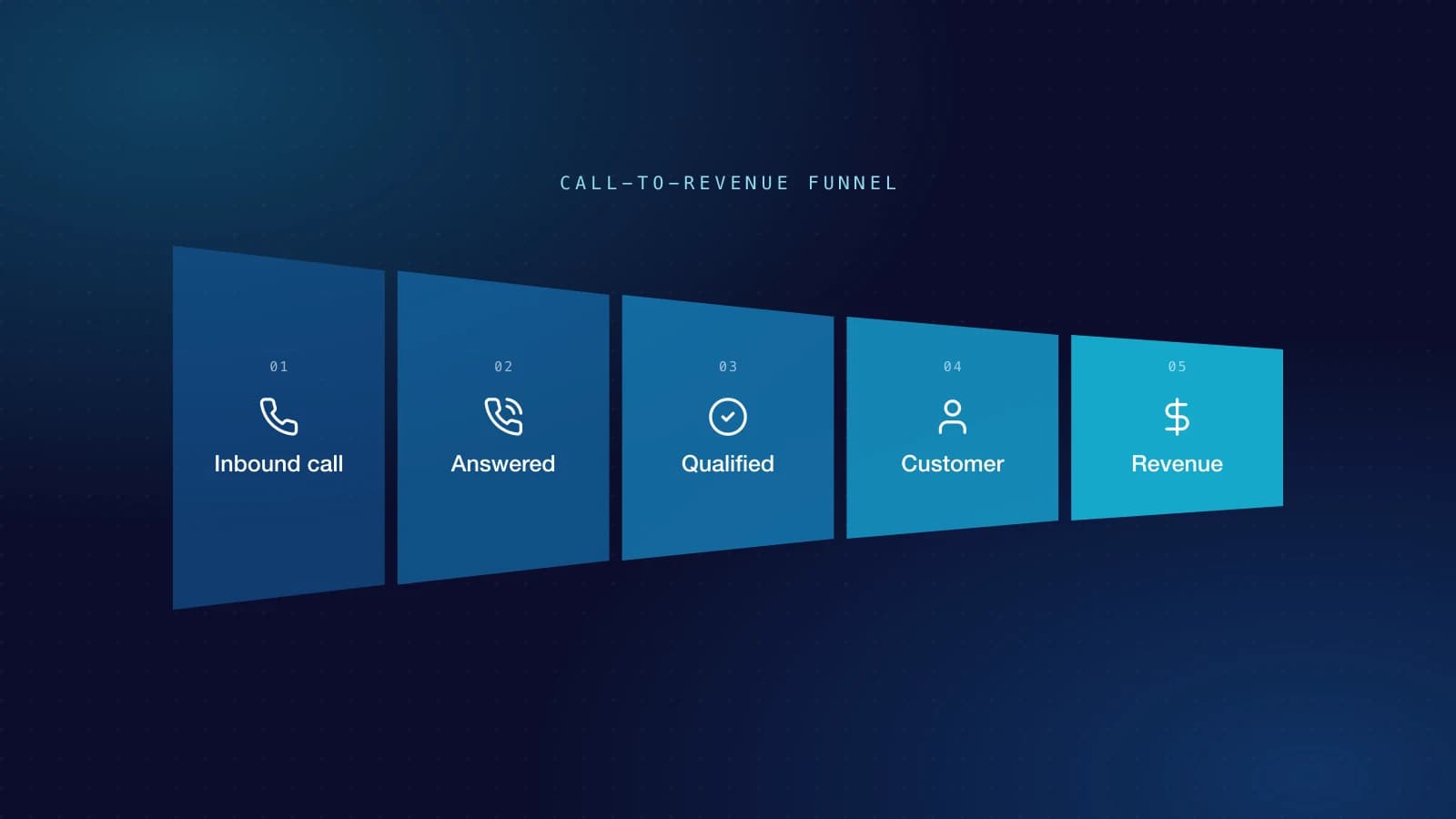
Track how many calls were answered, how long they lasted, and how many converted. Those three numbers tell you far more than volume alone, and they turn conversations with your network into a discussion about specifics rather than impressions.