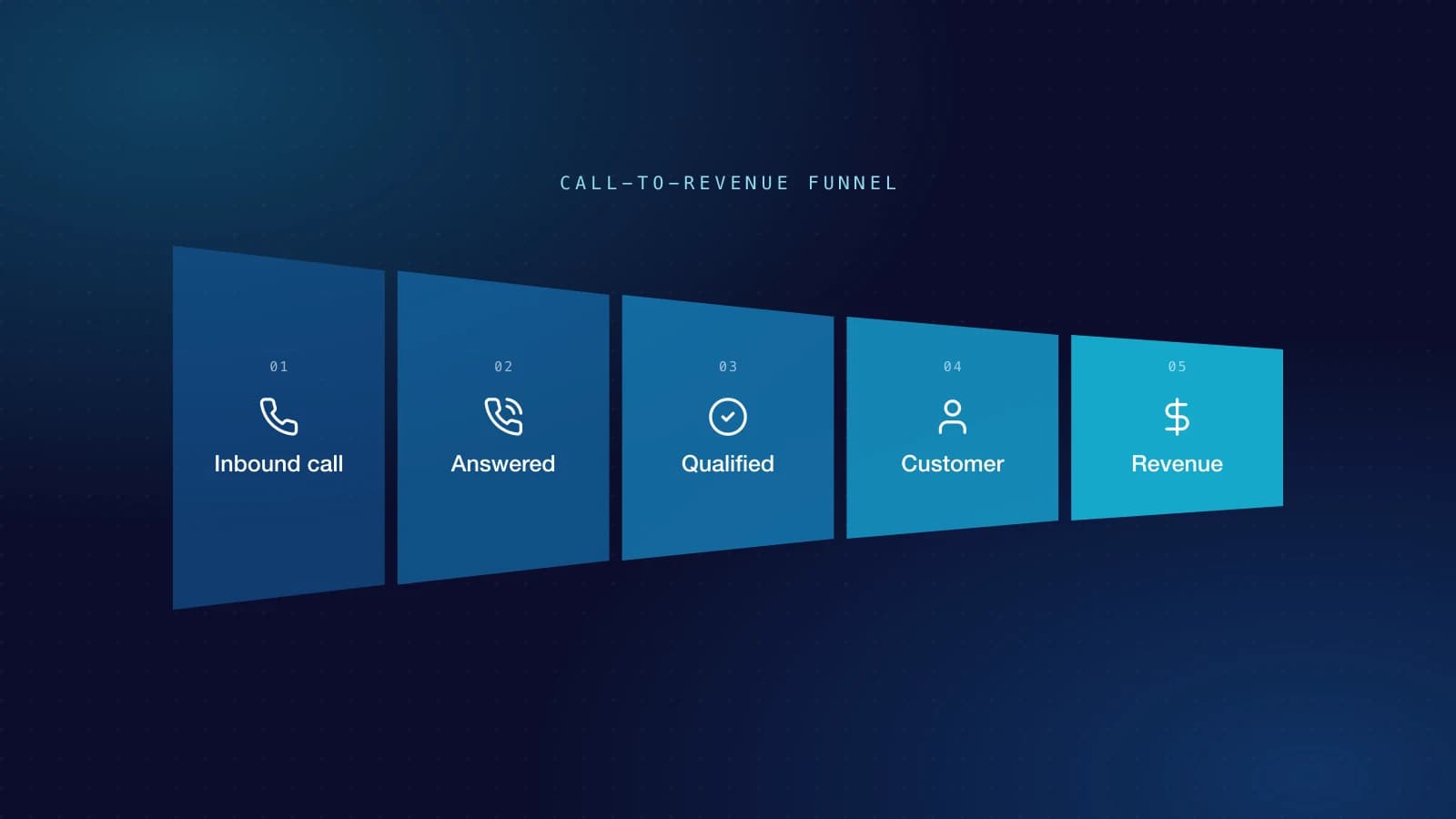
Pay-Per-Call Compliance in 2026: What Buyers and Publishers Should Check Before Launch
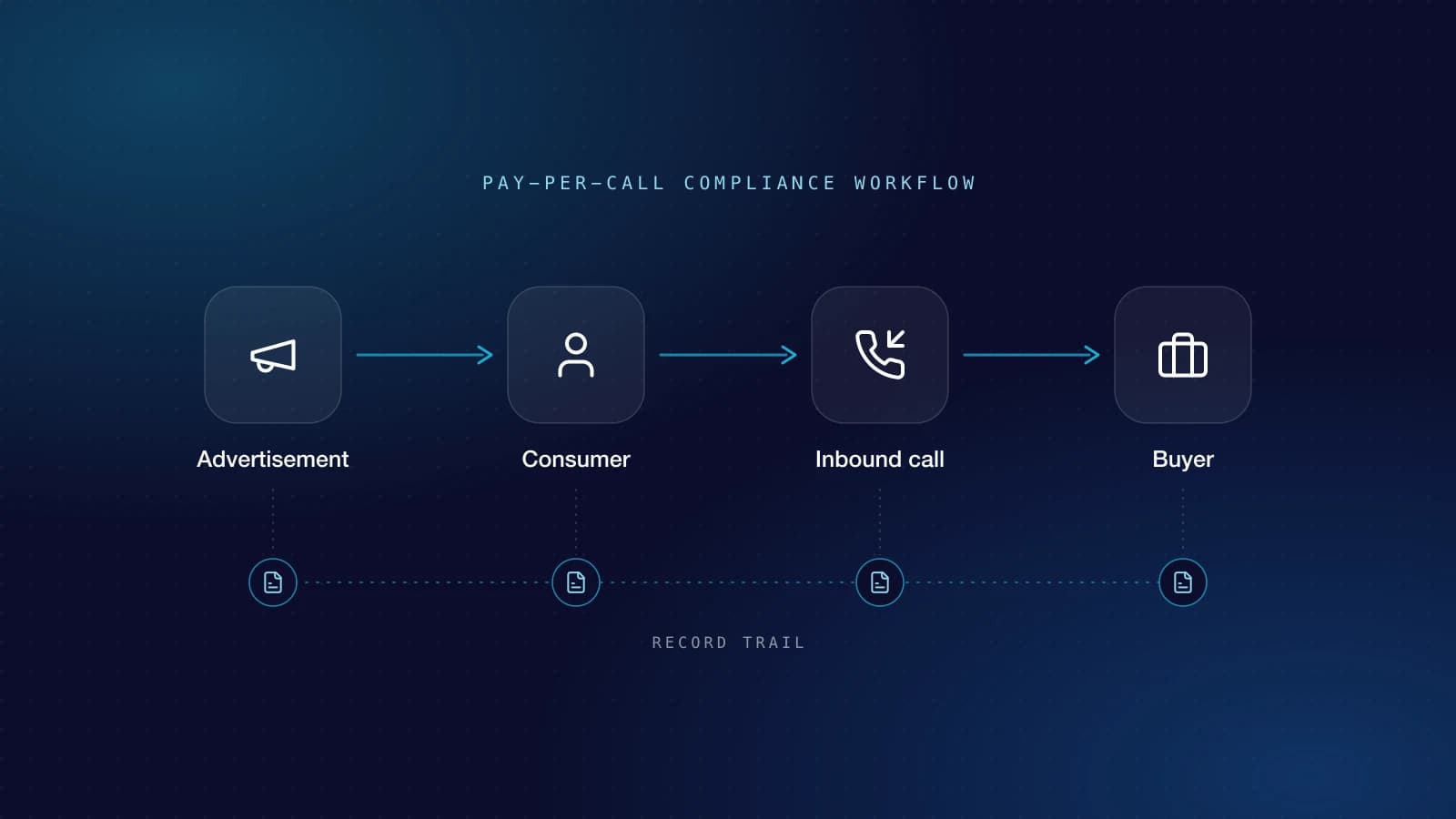
Calling a campaign “inbound” does not answer every compliance question.
What matters is how the consumer found the offer, what the advertising said, whether any contact occurred before or after the inbound call, what technology was used, which party handled each step and whether the campaign can reproduce what happened later.
That makes pay-per-call compliance an operational issue as much as a legal one.
For LeadNova, that distinction is particularly relevant because its network connects publisher-generated consumer call traffic with buyer demand across selected industries. Its publisher guidance requires traffic sources to be disclosed accurately, campaign requirements to be followed and misleading or manipulated traffic to be avoided. Its terms also place responsibility on clients for complying with applicable telemarketing, privacy, licensing and industry rules when handling supplied leads.
The practical goal before launch is therefore not to collect a generic compliance certificate. It is to understand the complete consumer journey and know who is responsible for each part of it.
Begin with the consumer journey
Before reviewing consent language or campaign terms, map the journey from the consumer's perspective.
Where did the person first encounter the offer? What did the advertisement promise? Did the consumer call directly or submit information before the call? Was an IVR involved? Was the call transferred? Will anyone call or text the consumer afterward?
Those details matter because different communications can raise different requirements.
A consumer choosing to dial an advertised number is not the same event as a business later placing an automated marketing call or sending a robotext to that person. Treating the whole sequence as simply an “inbound lead” can hide the part of the process that deserves separate review.
The Federal Trade Commission's Telemarketing Sales Rule also should not be reduced to an outbound-calling rule. FTC guidance explains that the TSR regulates covered telemarketing plans or campaigns and, subject to exemptions and other conditions, can apply to businesses participating in telephone sales whether they initiate or receive calls.
The right question is not “Is this inbound?” It is “What exactly happens at each stage?”
Review the promotion before reviewing the call
Many call-quality and compliance problems begin before anyone speaks on the phone.
The FTC's advertising guidance states that advertising must be truthful and non-deceptive, objective claims need an adequate basis, and an advertisement can mislead through what it says, implies or leaves out.
For a pay-per-call campaign, that means the creative and the destination need to agree.
If an ad suggests guaranteed eligibility but the buyer cannot guarantee eligibility, the problem has already been created before the call is routed. The same is true when advertising implies a relationship with a company, government body or other organization that does not exist.
There is also a commercial reason to care about this.
Misleading promotion creates calls from people expecting something the buyer does not provide. Those calls produce poor consumer experiences, short conversations, disputes and weak conversion even before the legal risk is considered.
LeadNova's publisher standards reflect that relationship between promotion and traffic quality. Publishers are expected to generate genuine consumer interest, disclose traffic sources and avoid misleading promotion or manipulated call activity.
Compliance and call quality are not separate disciplines at this stage. Accurate advertising supports both.
Know exactly where the call came from
A campaign should be able to identify the source of its call traffic.
“Digital marketing” is not a useful provenance record.
The business should know enough to reconstruct whether a call came from search advertising, a website, social media, a directory, another publisher or another approved source used by the campaign.
LeadNova asks publishers about their traffic sources during onboarding and notes that accepted marketing methods can vary between opportunities.
That information matters for more than attribution. Different acquisition methods can involve different advertising, disclosure, platform and consent considerations.
It also helps resolve disputes. If a buyer questions a group of calls, the publisher should be able to identify the source rather than treating the entire month's traffic as a single pool.
A practical provenance record should make it possible to connect a call with the campaign, source, relevant creative or landing experience and time period in which that material was active.
Do not use old summaries of the TCPA as current law
This area has changed enough that publication dates matter.
One prominent example is the FCC's 2023 rule that would have imposed additional restrictions commonly described as “one-to-one consent” and a requirement that resulting telemarketing communications be logically and topically associated with the interaction that produced consent.
On January 24, 2025, the U.S. Court of Appeals for the Eleventh Circuit held that the FCC exceeded its statutory authority with those restrictions, vacated Part III.D of the 2023 order and remanded the matter.
A compliance article that still presents that vacated provision as an active 2026 requirement is therefore outdated.
Revocation rules also require precise date checking.
On January 6, 2026, the FCC extended until January 31, 2027 a waiver of a particular requirement concerning the treatment of a revocation request made in response to one category of informational robocalls or robotexts as applying to unrelated categories from the same caller. The order is specific to that requirement; it should not be read as suspending every TCPA revocation obligation.
There is also a more recent development to watch.
On September 9, 2026, the FCC circulated a draft order for tentative consideration at its September 30 open meeting. The document itself states that the issues remain under consideration, may change and do not constitute official Commission action. The draft includes proposed changes to how certain revocation requests could be handled.
As of September 21, 2026, that document is still a draft. Anyone relying on this section after the September 30 meeting should check what action the Commission took.
Treat follow-up as a separate compliance event
An inbound conversation can be followed by many different actions.
An agent may return a missed call. A CRM may send a text. An automated system may place another call. A different department may contact the consumer later.
Do not assume that permission or treatment appropriate for one communication automatically covers every later communication.
The TCPA and FCC rules contain specific requirements for certain calls and texts using automated dialing technologies, artificial voices or prerecorded voices. Existing FCC regulations also require prior express written consent for certain telemarketing or advertising calls using regulated technologies, subject to applicable exceptions.
The exact legal analysis depends on the facts, so campaign design should make later contact visible rather than burying it inside the original lead record.
Before launch, the buyer should know whether follow-up occurs, which systems perform it and which party is responsible for confirming that the method is permitted.
Build Do Not Call controls into the workflow
Do Not Call compliance is another area where a policy document is not enough.
FTC guidance says covered sellers and telemarketers must use a version of the National Do Not Call Registry that is no more than 31 days old before making applicable telemarketing calls. The FTC also describes procedures around company-specific Do Not Call requests, staff training and records as part of its safe-harbor framework.
The operational questions are straightforward.
Where are suppression requests stored? Which systems receive them? Who updates third-party vendors? What happens when a consumer asks one department to stop contacting them but another system still contains the number?
A campaign that cannot answer those questions has a process gap even if its written policy looks complete.
LeadNova's privacy policy states that contact data used in its campaigns is scrubbed against applicable Do Not Call registries and that consumer enquiries are sourced on a consent basis. It also provides a process for people who believe they were contacted in error or want removal from LeadNova's records.
Buyers still need to review the obligations created by their own subsequent contact activity rather than assuming a network-level process resolves every downstream requirement.
Keep enough evidence to reproduce what happened
Recordkeeping often gets attention only after a complaint or dispute. That is too late to design the evidence trail.
The FTC expanded the Telemarketing Sales Rule's recordkeeping requirements in 2024. Its current guidance describes records such as call details, certain promotional materials, consent information, Do Not Call information and service-provider records, with covered records under the amended requirements retained for five years.
For a lead-generation or pay-per-call operation, the broader lesson is simple: preserve the evidence needed to explain the campaign as it actually ran.
Depending on the campaign and applicable requirements, that may include the traffic source, the creative version, landing-page content, date and time, campaign rules, consent evidence where relevant, opt-out activity and call disposition.
The exact retention obligations need to be determined for the particular operation. What should be avoided is relying on a field that merely says “consent: yes” without preserving enough context to know what that statement represents.
Make buyer and publisher responsibilities explicit
Compliance gaps often appear between companies rather than inside one company.
A publisher assumes the buyer is handling suppression. The buyer assumes the publisher validated the source. An intermediary assumes both parties retained the evidence.
Those assumptions should be settled before traffic begins.
LeadNova's own publisher page already establishes several useful campaign concepts, including geography, schedule, call requirements, volume, traffic sources, commercial terms and restrictions.
The same clarity should extend to responsibility.
A campaign document should make it possible to determine who approves creative, who verifies permitted traffic sources, who retains relevant source records, who manages applicable suppression, who handles complaints, who controls downstream outreach and what happens when campaign requirements change.
Not every campaign needs the same process. Every campaign does need an understandable one.
A practical pre-launch review
A concise review can catch many problems before traffic starts.
| Area | Question to answer before launch | Evidence to retain where applicable |
|---|---|---|
| Traffic source | Where will the calls actually come from? | Approved source and campaign record |
| Advertising | What will the consumer see or hear before calling? | Current creative or landing experience |
| Consumer journey | Is the call direct, transferred or preceded by another interaction? | Documented call flow |
| Campaign requirements | What makes the call acceptable for this specific opportunity? | Current campaign terms |
| Follow-up | Will the consumer later receive calls or texts? | Process and applicable consent records |
| Do Not Call | Who is responsible for suppression where required? | Suppression process and relevant records |
| Complaints and opt-outs | Where are requests received and how are they propagated? | Request and action history |
| Recordkeeping | Could the company reconstruct the event months later? | Source, creative, call and consent evidence as applicable |
| Vertical requirements | Does the product or service have additional rules? | Industry-specific review |
| Responsibility | Which company owns each control? | Contract or written campaign procedure |
This is more useful than asking whether a vendor is simply “compliant.”
Compliance is not a permanent status that one company can transfer to another. It is the result of how a particular campaign, consumer journey and follow-up process are designed and operated.
Compliance should support a better campaign, not sit beside it
The most useful compliance controls tend to improve campaign quality at the same time.
Accurate advertising produces better-informed callers. Clear traffic-source records make optimization easier. Written qualification criteria reduce buyer-publisher disputes. Reliable suppression processes reduce unwanted contact. Better records make complaints easier to investigate.
That is why compliance works best when it is part of campaign design rather than a legal review performed after everything else has been built.
LeadNova operates between publisher call supply and buyer demand, with requirements that can vary according to the opportunity.
For both sides of that relationship, the useful pre-launch question is not simply whether a call can be generated.
It is whether everyone involved can explain where the call came from, what the consumer experienced, what happens after the connection and who is responsible for each step.
Relevant sources
- LeadNova's For Publishers page documents traffic-source disclosure, campaign-specific requirements and its standards around legitimate consumer interest. LeadNova — For Publishers
- LeadNova's Terms and Conditions outline client responsibility for applicable telemarketing, privacy, licensing and industry obligations. LeadNova — Terms and Conditions
- LeadNova's Privacy Policy describes its stated consent and Do Not Call practices. LeadNova — Privacy Policy
- The Federal Trade Commission provides official guidance on the Telemarketing Sales Rule and National Do Not Call requirements. FTC — Complying with the Telemarketing Sales Rule
- The FTC also explains the updated Telemarketing Sales Rule recordkeeping requirements and five-year retention period. FTC — Updated TSR Recordkeeping Guidance
- FTC advertising guidance supports the discussion of truthful, non-deceptive and substantiated advertising claims. FTC — Advertising FAQs for Business
- The Eleventh Circuit's January 24, 2025 opinion is the primary source for the decision vacating Part III.D of the FCC's 2023 order. Eleventh Circuit — Insurance Marketing Coalition v. FCC
- The FCC's January 6, 2026 order documents the current extension concerning the specific revocation provision discussed above.
- The FCC's September 2026 draft should be treated as a pending development rather than final Commission action until its status changes.